How Many Days Do You Need in the Okavango Delta?
A day in the Okavango is a unit of logistics, not a unit of safari time. Here is the honest ladder, from an eight-hour mokoro trip out of Maun to a fifteen-day circuit, with the rungs that are not worth paying for marked as such.
A day introduces the water; two nights add a camp routine. A seven-day safari gives land and water activities their own time, while still returning to Maun. Explore Two Nights Of NG32 Mokoro Camping
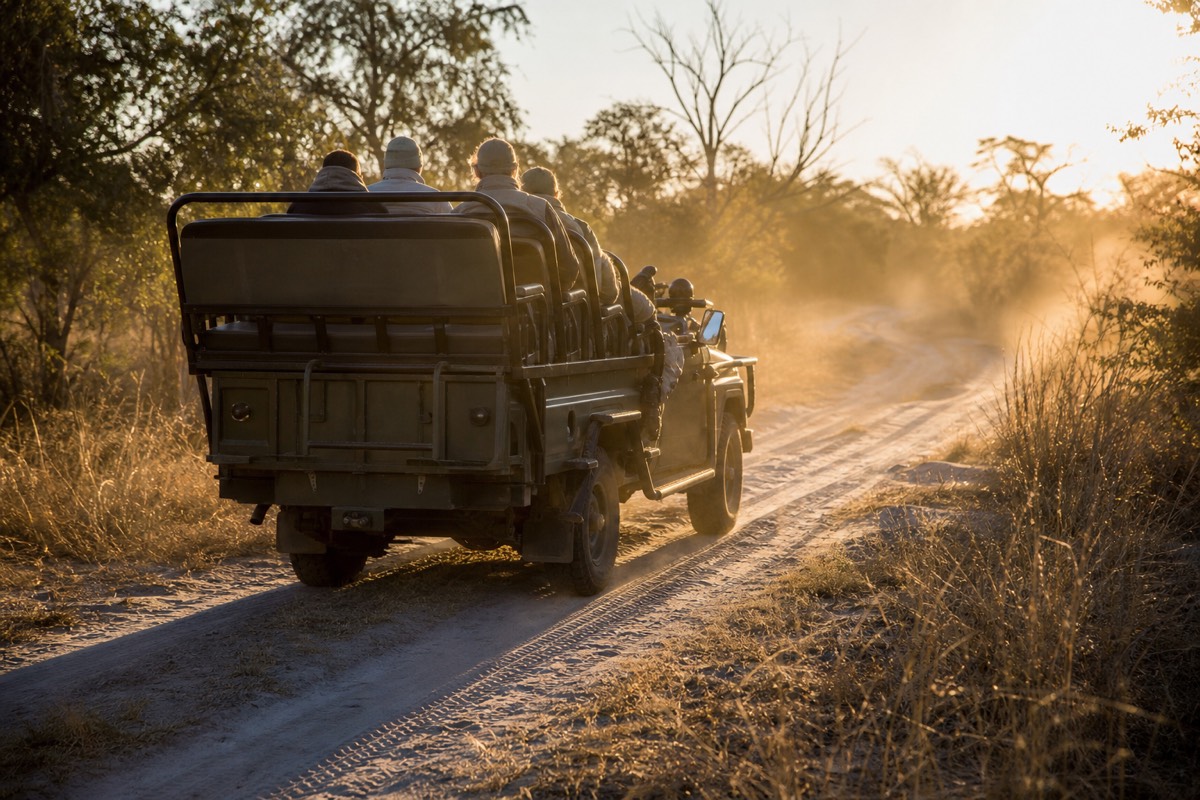
Count nights, not days. Nearly every disappointed Okavango itinerary our team sees began as a plan that counted days, and a day here is not a unit of safari time. It is a unit of logistics: a charter slot, a road transfer, a dawn drive eaten by a departure window. Okavango Delta Botswana Tours books everything from an eight-hour mokoro trip to a fifteen-day overland circuit, so this is the ladder we walk people up.
How many nights do you actually need in the Okavango Delta?
Three nights at one camp is the honest working minimum, and five nights split between two camps in different parts of the delta is the version most visitors describe as exceeding every expectation they arrived with. A single day gives you a brief and often rushed impression of the delta rather than the delta itself. The rest is that answer, with arithmetic.
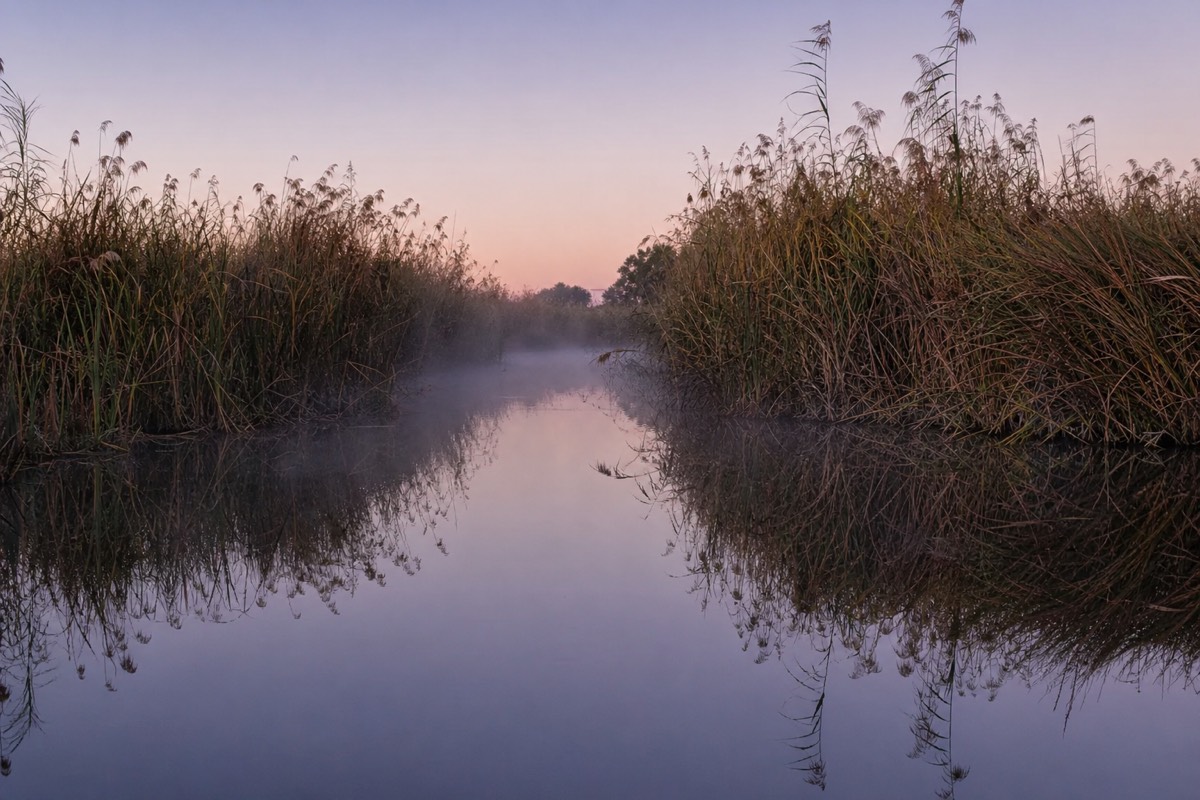
The inner channels, reached by light aircraft or by mokoro from the outer floodplain, hold the highest dry-season wildlife concentrations in this UNESCO World Heritage Site, and reaching them takes time and advance booking. Nights buy access. Days mostly buy transfers.
| Nights | What it buys | The trip on our list | From | Per day |
|---|---|---|---|---|
| None, day trip | Channels, hippos, birdlife, no dawn or dusk | Full-day mokoro from Maun, 8 hours | $200 | $200 |
| 2 | Dawn mokoro, afternoon bush walks, two delta nights | Mokoro wild camping on an island | $850 | $283 |
| 2, desert | Open Kalahari grassland, predators on the pans | Maun to Central Kalahari | $1,375 | $458 |
| 3 | Two drives daily, mokoro, walking safari, tracking that compounds | Private concession camps | $1,270 | $318 |
| 5 | Two camps, two ecosystems, a weather buffer | Assembled from two stays | Varies | Varies |
| 6 | Moremi, Khwai, Mababe and the inner delta | 7-day Moremi and Okavango safari | $1,890 | $270 |
| 10 | Victoria Falls, Chobe and the delta | 11-day Victoria Falls to Okavango | $3,500 | $318 |
| 14 | Namibia, Botswana and Zimbabwe end to end | 15-day guided lodge tour | $6,997 | $466 |
Prices are the current starting price per person; the per-day column is plain division, not a quote.
Is one day from Maun enough?
One day buys channels, hippos, red lechwe and birdlife, plus a road transfer each way, and it gives you none of the dawn, dusk or night sound the delta is famous for. It is honest value when Maun is all the time you have, and it is not the trip people come home talking about.
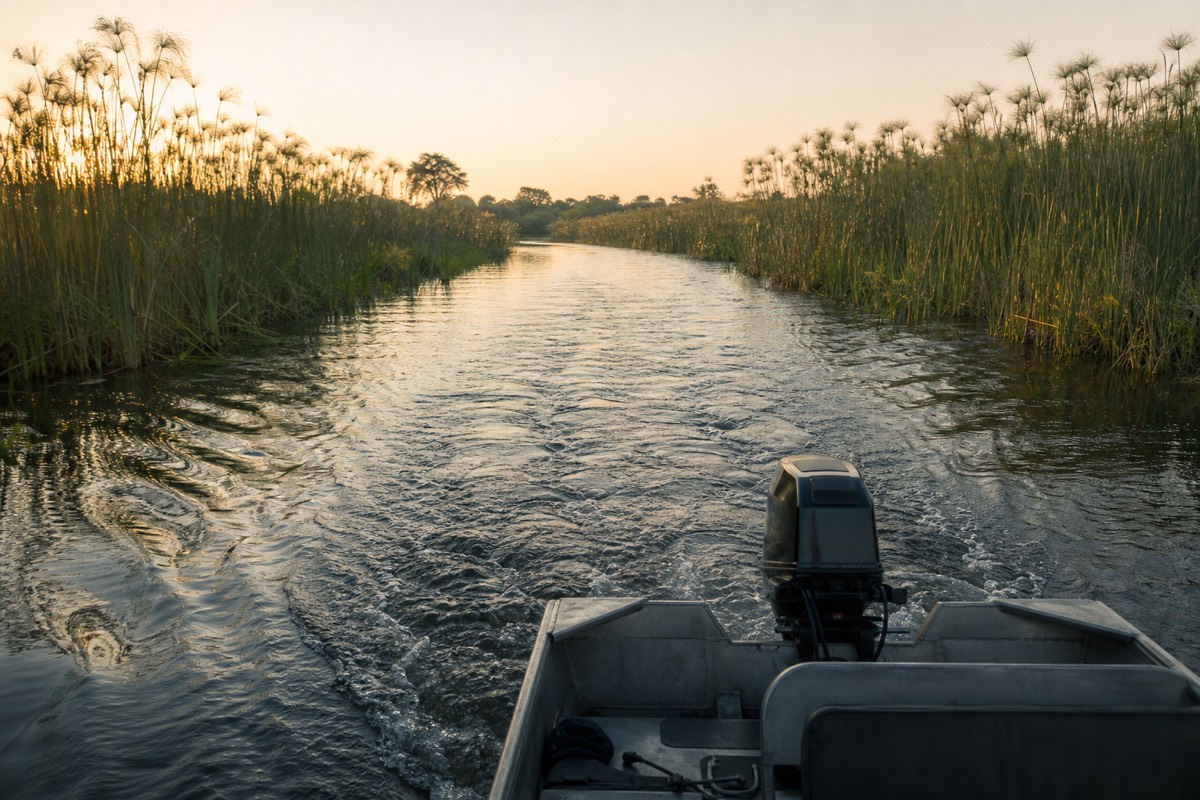
Three single-day formats sit on our list. The eight-hour full-day mokoro trip out of Maun starts from $200 per person with transfers, meals and park fees handled, while the community-poled mokoro day with an island walk starts from $181 and adds a short nature walk. If your day is really an afternoon, a 45-minute scenic flight over the channels from $543 shows you something no ground trip can, though it does not land in the delta.
Day trips are also the one format that survives a late decision. Through the April to May and November to December shoulder, same-day and next-day bookings in Maun are realistic. In July and August they are not.
What do two or three nights add?
The second night is where the mokoro stops being an excursion and becomes a rhythm: a dawn drift on mirror-flat water, a walking safari after the heat, hippos calling through the dark, then a second dawn to use what the first one taught you. One night is a photograph. Two is a pattern.
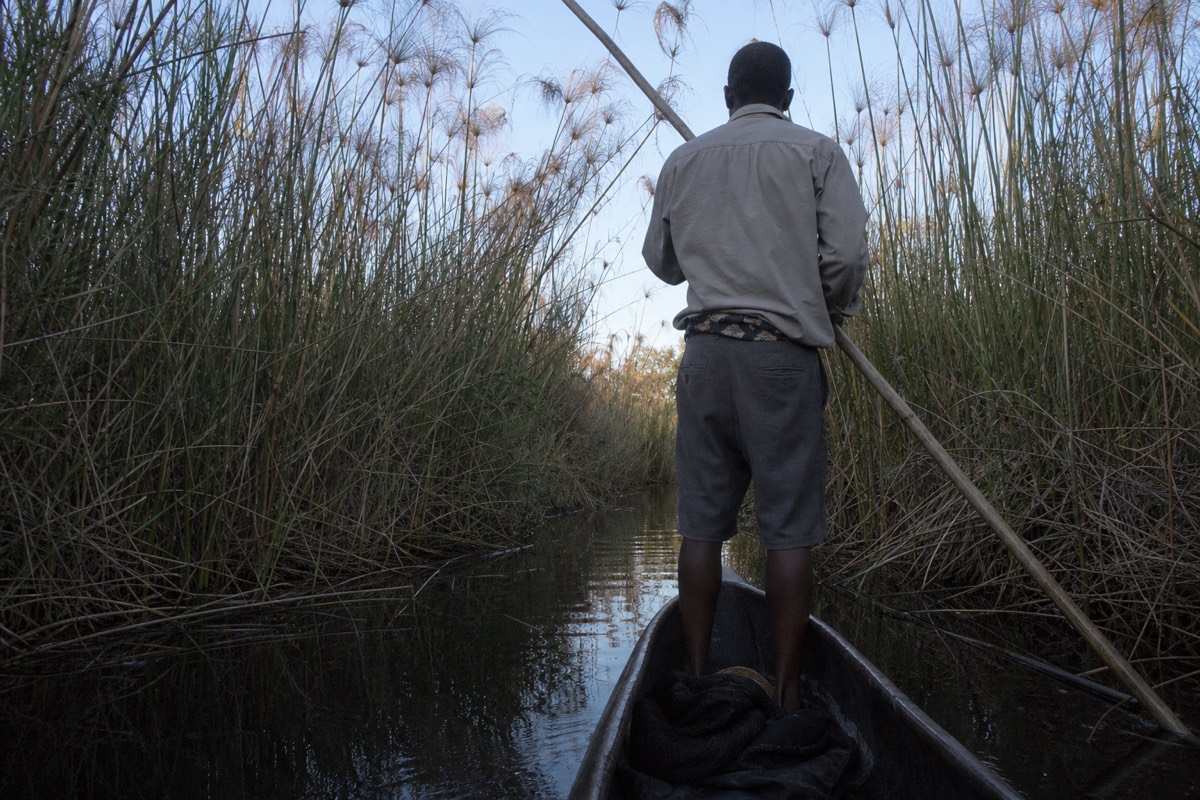
Two nights camping on a delta island, fully catered, starts from $850, run with the Okavango Mokoro Community Trust, and its dry-season dates carry limited daily capacity to protect the ecosystem. If your dates fall in the green season, when delta water sits at its lowest, a three-day Central Kalahari trip from Maun from $1,375 is the counter-seasonal answer: Deception Valley flushes roughly December to April and the plains game follows. The flood reaches Botswana at the opposite end of the year from its own rain, a documented lag of several months, so fix your dates only after reading why the flood arrives in Botswana's dry season.
Is four days enough, and is five really better?
Four days and three nights in a private concession is the first length that gives the delta room to work: two game drives a day, a mokoro afternoon, a walking safari, and enough repetition that yesterday's tracking pays off today. Five nights is better, and it is the length people rave about.
Four days across private concession camps starts from $1,270. Vehicle numbers inside a concession are capped by the concession agreement rather than by open park access, so a vehicle can sit with a pride of lions as long as the sighting warrants instead of cycling through to make room.
Five nights needs an honest note: no single five-night product exists on our list. It is assembled, usually a shorter camp stay plus a second camp elsewhere in the delta, and the second camp is the whole point. Different concession, different water, different predators, plus a buffer if weather closes an airstrip.
When is a week or more worth it?
A week stops being a delta trip and becomes a Botswana trip. Six nights across Moremi, Khwai, Mababe and the inner delta, moving by mokoro, motorboat and open 4x4, covers several distinct ecosystems instead of one, and that is the honest reason to book it.
Seven days across Moremi and the inner delta starts from $1,890, the lowest per-day figure in the portfolio. Above that, the eleven-day Victoria Falls to Okavango route from $3,500 and the fifteen-day guided lodge circuit through Namibia and Zimbabwe from $6,997 are regional journeys with the delta as one chapter. Length lowers the nightly cost, which matters here more than most places, and there are structural reasons the delta costs what it does.
What is the mistake most first-timers make?
The commonest error is booking three nights at one camp and then spending one of those days on a full-day transfer to something outside the delta. That leaves two nights of actual safari with a travel day wedged into the middle, and the day you lose is usually the one your guide had been building towards.
The second version of the same mistake is squeezing the Okavango, Chobe and Victoria Falls into a single four-day itinerary. It produces a travel schedule rather than a safari. If the delta is the reason you are coming to Botswana, give it the nights and let the longer combination trips do the combining properly.
| Time in Botswana | Spend it like this | What you give up |
|---|---|---|
| 1 day in Maun | One full-day mokoro trip, early departure | Dawn, dusk and the inner delta |
| 3 days | Two nights on a delta island, mokoro and bush walks | Comfort and game-drive mileage |
| 4 to 5 days | Three nights in one private concession, no side trips | A second ecosystem |
| 6 to 7 days | Five nights across two camps, one travel day | Budget headroom |
| 8 days | The Moremi, Khwai, Mababe and inner-delta route | Depth in a single concession |
| 11 days or more | The delta plus Chobe and Victoria Falls, properly paced | Little, beyond money |
Treat these as planning allowances: camps set their own arrival and departure windows, and a charter can move a day.
Why nights, not days, decide what you see
A safari day has two productive windows, the two hours after sunrise and the two before sunset, and arrival and departure days each swallow one of them. A four-day trip therefore holds three usable dawns at best, which is the arithmetic behind counting nights instead.
The shape of the day is fixed, and it works: 05:30 wake-up with coffee and rusks, 06:00 out in an open 4x4, breakfast at 09:00, an island walk with a tracker at 10:00, a rest through the heat, mokoro at 15:30, a sundowner on a dry island at 17:30, dinner around the fire. None of it compresses. You either have the morning or you spend it in an aircraft.
What our team takes off your hands is the assembly. The trips on our list bundle the transfer, park fees, meals and camp into one confirmed booking, which is the part that gets hard to arrange late. Botswana keeps its tourism capacity deliberately small, so premium concessions and the community mokoro camps allocate their July to September dates months ahead.