How to Get to the Okavango Delta: Flights and Transfers from Maun
The delta has no road running through it, so the inner channels are reached by air or by water. Three routes out of Maun do the job, and a fourth only looks like it does.
A guided day can include the Maun transfer to the water. Camp charters and scheduled flights are separate arrangements; a scenic flight returns to Maun. Explore Mokoro Day From Maun
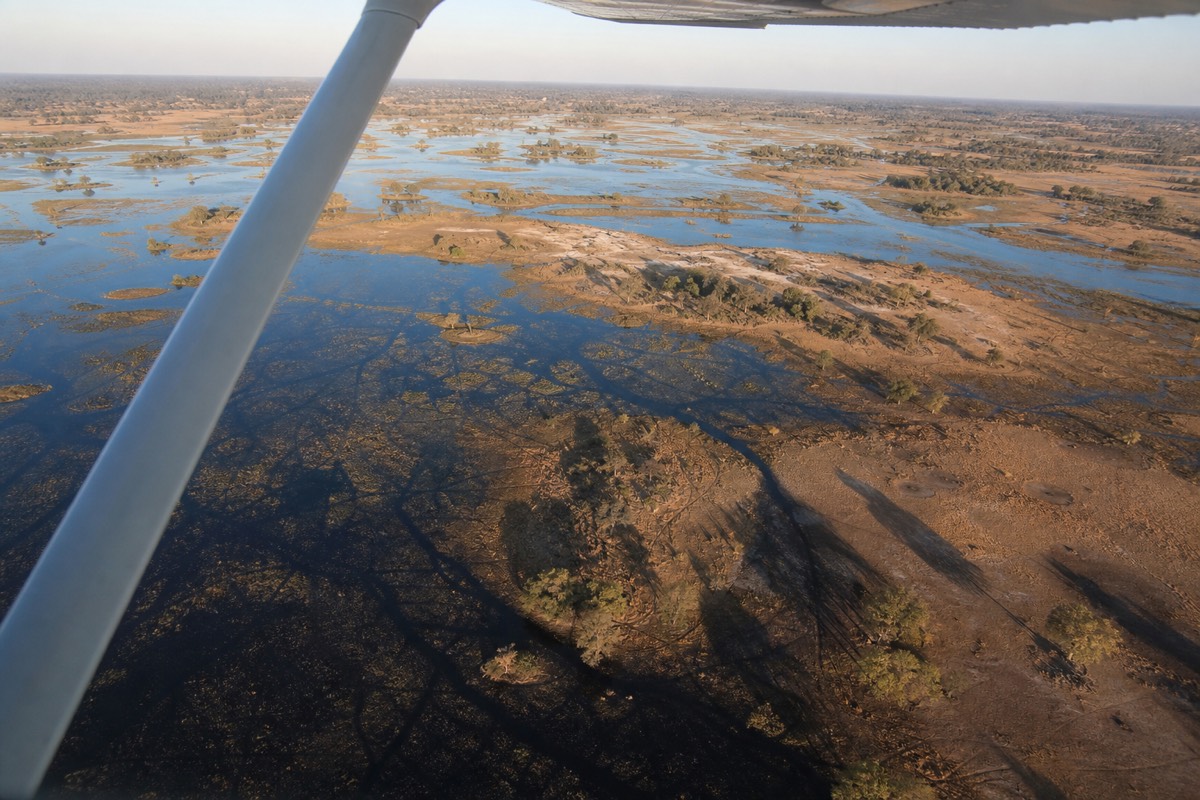
No road runs through the Okavango Delta. That single fact shapes every answer below: the inner channels are reached by air or by water, never by driving straight in, and which route you take decides both your budget and how much of your first day survives. Okavango Delta Botswana Tours books all three real options, and one thing people often mistake for a fourth.
How do you get to the Okavango Delta from Maun?
Fly. A light-aircraft charter from Maun reaches an airstrip inside the concessions in 20 to 45 minutes and costs USD 200 to 600 per person one way, usually bundled into a camp package. A guided road and boat transfer, 2 to 6 hours, is the standard for mid-range camps. Self-drive plus a public mokoro is for experienced 4WD travellers only.
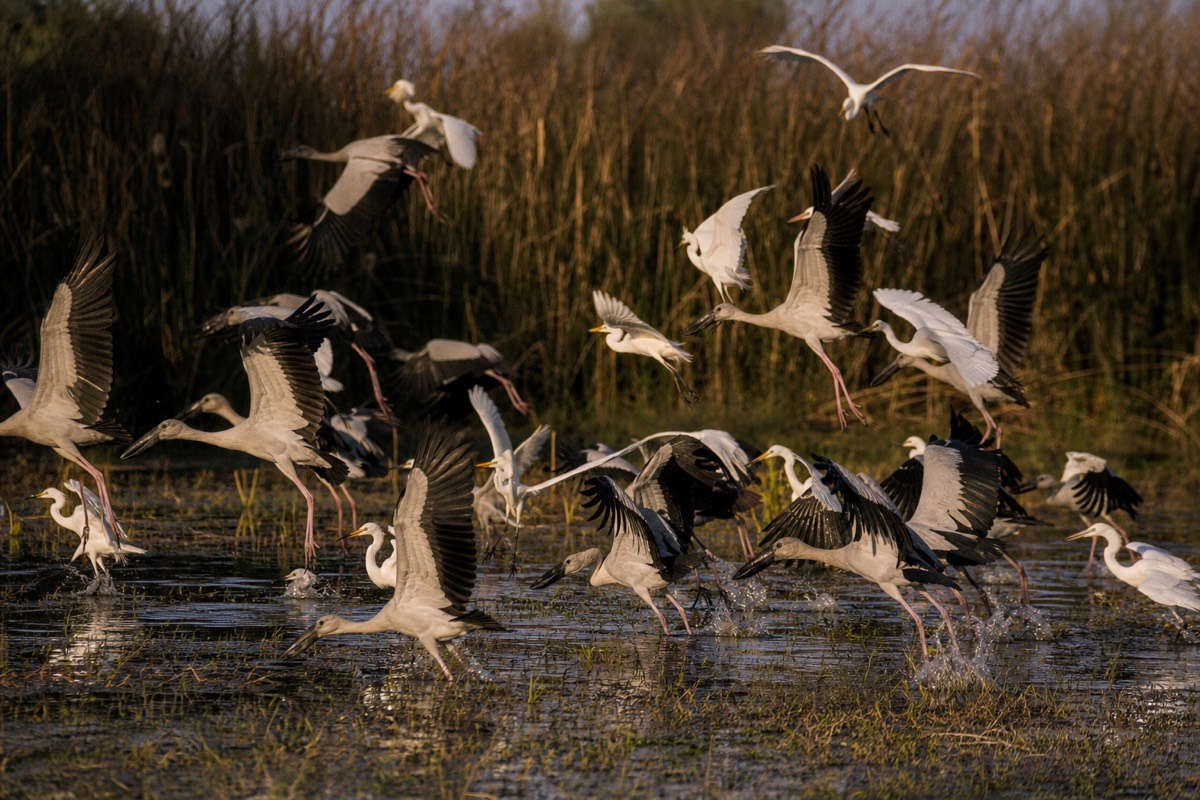
That is the verdict we publish and stand behind. A fourth option gets confused with the others: the 45-minute aerial survey from Maun, from $543 per person with hotel transfer, is a sightseeing flight that does not land in the delta and is not a transfer at all. More on that further down.
| Route | Total time | Typical cost | Best for | What can go wrong |
|---|---|---|---|---|
| Light-aircraft charter | 20 to 45 minutes | USD 200 to 600 pp one way | Private-concession and luxury camps | Weather delays, rare cancellations, strict soft-bag limits |
| Guided road plus boat or mokoro | 2 to 6 hours | USD 150 to 400 pp round trip standalone | Mid-range camps and the outer delta | Dust, long sandy roads, water levels affecting crossings |
| Self-drive plus public mokoro | 2 to 5 hours driving, then 1 to 3 on water | Fuel plus USD 50 to 100 a day for boat and poler | Budget travellers with real 4WD experience | Deep sand, river crossings, no access to prime concessions |
Costs and times are planning allowances. Most camp packages already include the transfer, so the standalone figures apply mainly if you are arranging one yourself.
How do you get to Maun in the first place?
Maun Airport, IATA code MUB, is the gateway. Air Botswana flies in from Gaborone and Kasane, Airlink from Johannesburg and Cape Town, and CemAir from Johannesburg. Johannesburg to Maun takes about 1h30 to 2h and Gaborone about 1h20. Most long-haul visitors connect through Johannesburg.
| Airline | Routes into Maun | Flight time |
|---|---|---|
| Air Botswana | Gaborone, Kasane | Gaborone about 1h20 |
| Airlink | Johannesburg, Cape Town | Johannesburg about 1h30 to 2h |
| CemAir | Johannesburg | About 1h30 to 2h |
Schedules shift by season, so confirm the day's service with the airline. Kasane, incidentally, is the Chobe gateway, which is why delta and Chobe itineraries often chain through it.
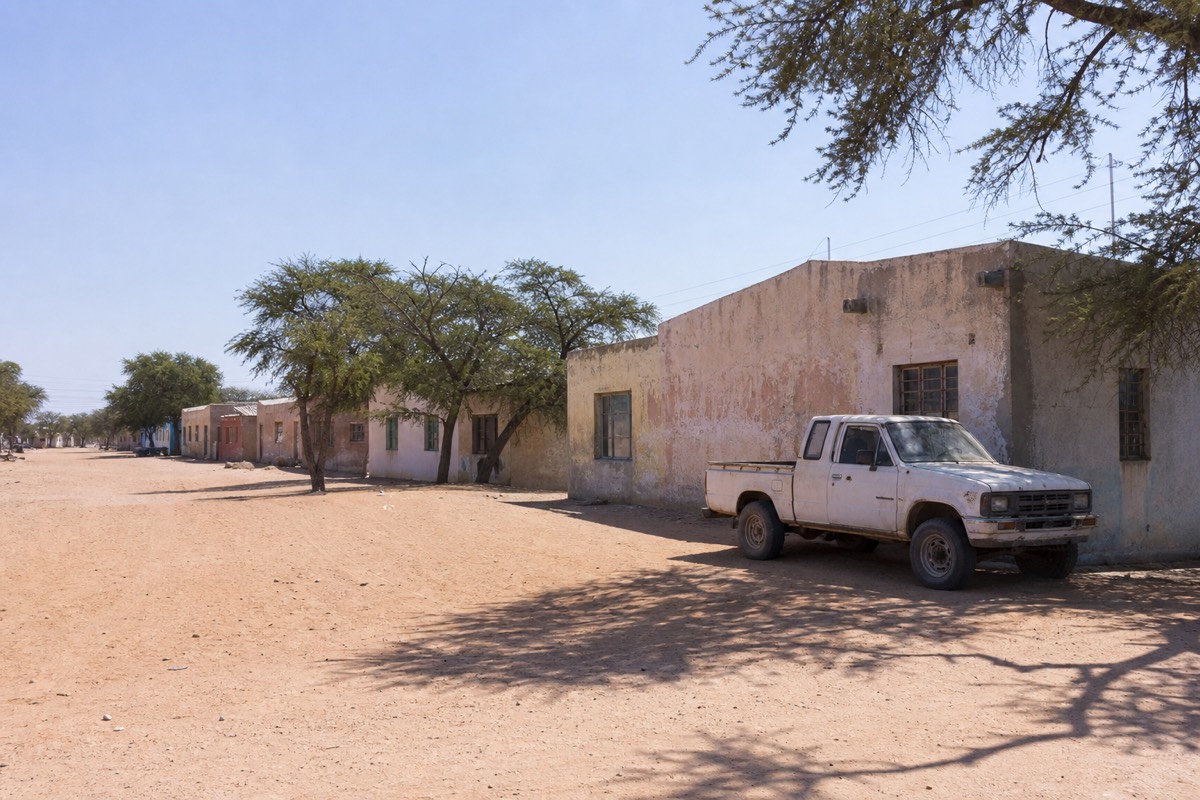
Maun itself is a small town on the southern edge of the delta and the staging point for effectively every safari operation, and Maun Airport (MUB) handles scheduled arrivals and charter departures off the same apron. There is more on what Maun is like as a base if you are building a night there into the plan.
What is the light-aircraft charter actually like?
A six to twelve seat aircraft, a short taxi, and 20 to 45 minutes over flooded channels before landing on a bush strip inside the concession. Mack Air, Air Botswana and camp-provided charters run the routes, and most safari packages already include the leg rather than selling it separately.
The approach view is genuinely part of the trip: the channel maze, the islands, and animals visible as shapes in shallow water. The trade-offs are weather and baggage. Flights are weather-dependent, with cancellations rare but real, and hold space is tight. Pack a soft duffel, typically 15 to 20 kilograms set by the charter operator, since hard cases do not fit; one operator's published luggage policy gives 20 kg in a soft-sided bag as the working example, so confirm your own number when you book. The rest of what to pack for a delta safari follows from that limit. Trips such as four days in private concession camps handle the charter coordination as part of the booking.
When does a road and boat transfer make more sense?
For mid-range camps and the outer delta, the guided transfer is the standard: 1 to 4 hours by road from Maun to a jetty or mokoro launch point, then 30 minutes to 2 hours by water. Most lodge packages include it. Standalone, expect roughly USD 150 to 400 per person round trip.
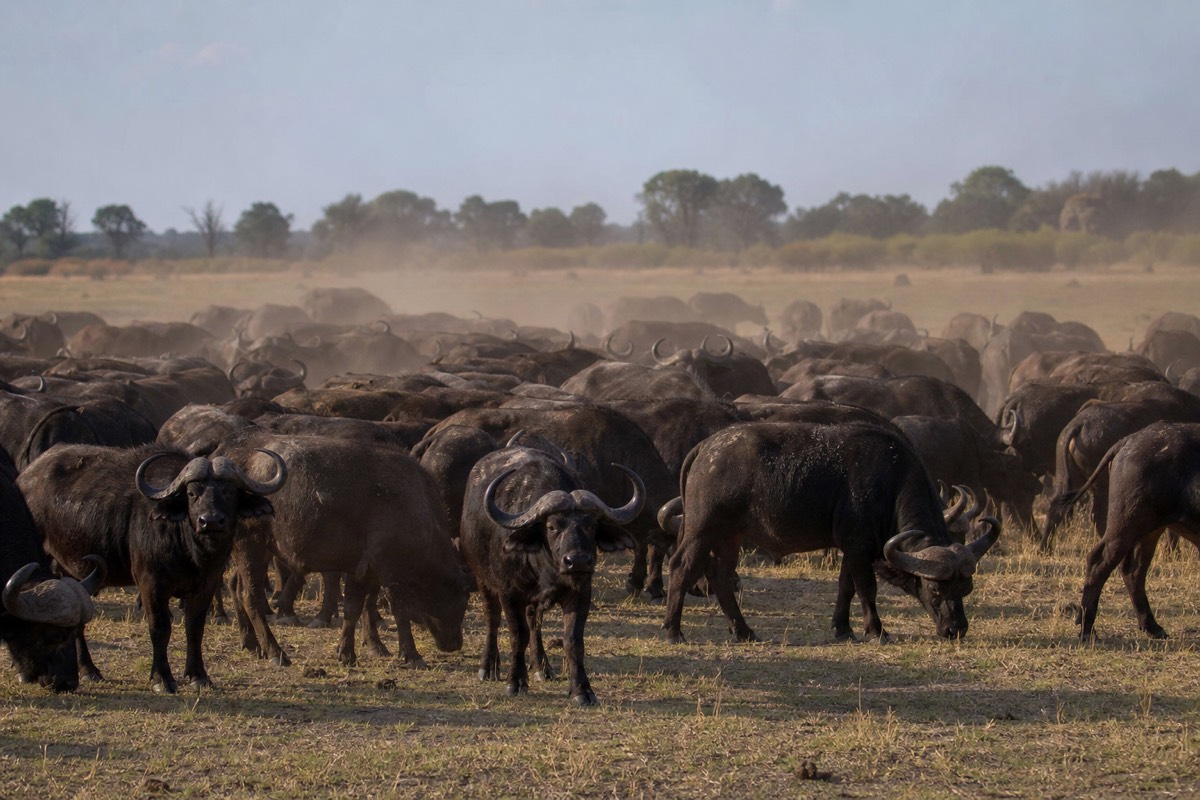
It is the more immersive arrival. You see wildlife on the drive and again from the water, and you arrive with a sense of where you actually are, which a 30-minute flight does not give you. It is also longer and dustier, and high or low water can change the crossing. The same road-then-water pattern is how a day trip works, which is what the eight-hour mokoro day trip from Maun does inside a single day from $200 per person.
Can you self-drive into the delta?
Partly. You can drive a high-clearance 4WD from Maun to a public launch point such as Xakanaxa or the polers' trust near Mababe Gate, 2 to 5 hours on sand and gravel, then continue 1 to 3 hours by mokoro at roughly USD 50 to 100 a day for boat and poler. It is the cheapest route and the hardest.
Be honest with yourself about the driving. Deep sand and river crossings are normal rather than exceptional, recovery is your own problem, and the public access is limited: most of the prime concessions require a camp booking, so a self-drive gets you to the outer delta rather than the inner channels. Xakanaxa sits inside Moremi Game Reserve, which is the realistic target for this approach. Our published verdict is unchanged: self-drive with a mokoro suits budget travellers with 4WD experience and time, and nobody else.
Does the scenic flight count as getting there?
No, and the distinction is worth being clear about. The 45-minute flight from Maun does not land in the delta and includes no ground activities. What it does is show you the structure of the whole system in one sweep, which no ground-based experience can do.
From the air the channel network, the patchwork of permanent and seasonal islands, elephant herds as grey shapes moving through shallow water, and the hard line where floodwater meets dry Kalahari sand are all immediately legible. On the ground, in a wetland of this scale, none of it is. For a visitor with one day in Maun it is the most efficient way to understand what they are looking at, and for anyone who has already spent days on the water it adds a dimension. It fills ahead in July and August, so it is not reliably a walk-up purchase.
How much buffer should you leave?
Leave a night in Maun rather than connecting an international arrival straight onto a charter. Camp arrival windows are fixed, charters are weather-dependent, and one missed connection in Johannesburg costs you a delta night you have already paid for. Most visitors sleep in Maun and fly in the next morning.
The same logic applies going home: book the international leg for the day after you fly out of camp, not the same afternoon. In peak dry season the charter schedules run off confirmed safari bookings, so arriving in Maun and trying to arrange a same-day seat to a remote camp is a genuinely difficult proposition. Everything on our list bundles the transfer with the park fees, meals and camp into one confirmed booking, which is precisely the part that gets hard to assemble late.