Moremi Game Reserve: Wildlife, Concessions and When to Go
Moremi is the protected core of the Okavango Delta, roughly 5,000 square kilometres of it, and the Batawana created it themselves in 1963. Everything else people call the delta is a mosaic of concessions and management areas around it.
Choose a Moremi vehicle day for a short visit or a seven-day tented route for land and water. Check the specific reserve areas and overnight stops before booking. Explore Seven-Day Moremi And Delta Safari
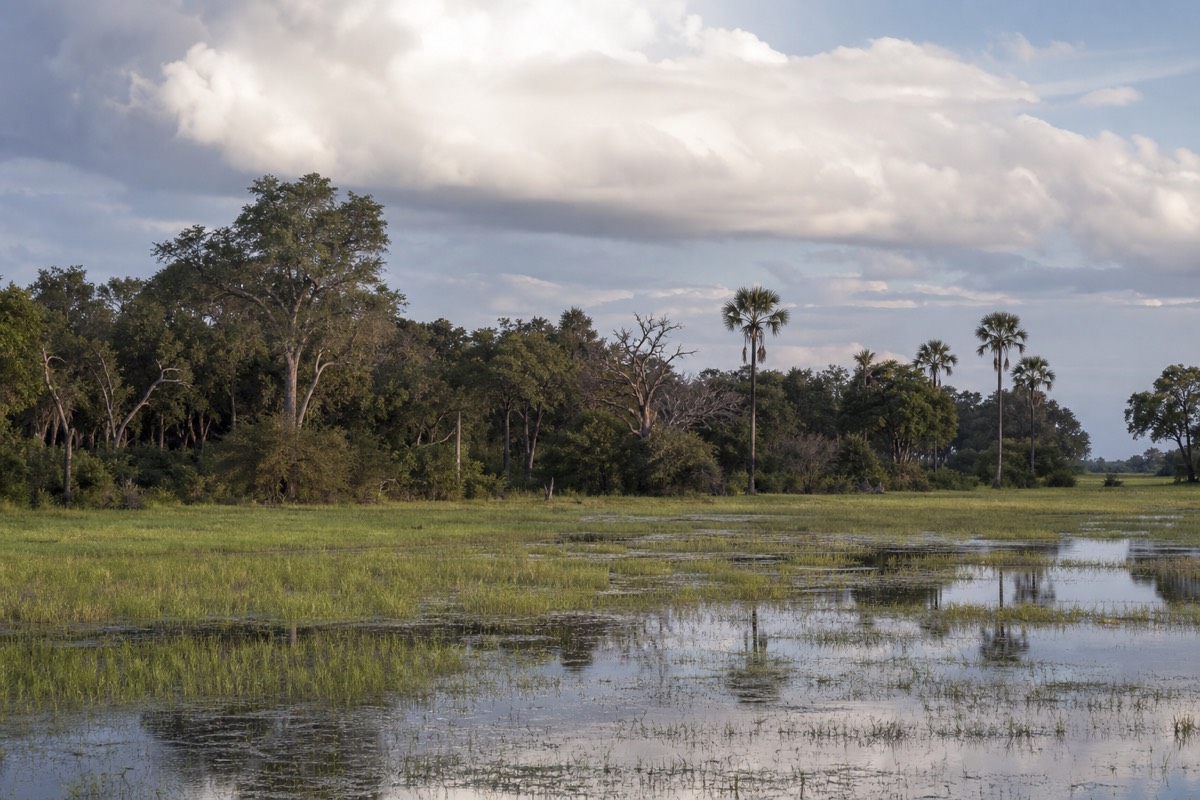
Ask for the Okavango Delta on a map and the name you will actually find printed there is Moremi. It is about 5,000 square kilometres of reserve, it takes in roughly 40% of the delta, and it exists because the Batawana people created it themselves in 1963 through their own tribal authority rather than because a colonial administration drew a line. That makes it one of the earliest community-created protected areas anywhere in Africa, and it is not a footnote. It is the reason the delta still looks the way it does.
Moremi is also the practical answer to a question people ask badly. They want lions, wild dogs and elephants in a wetland, and they type the delta into a search box. What they need to book is the reserve and the concessions that ring it, which is exactly what the seven-day Moremi, Khwai, Mababe and inner-delta safari stitches together over six nights of 4x4, boat and mokoro travel. The team at Okavango Delta Botswana Tours puts more people into this reserve than anywhere else in Botswana, and this is the picture we give them first.
Moremi is the protected core; the rest of the delta is concessions and management areas
Proportions are the commonly published figure for Moremi share of the delta and the reserve stated area, not a survey measurement, and the flooded extent of the delta itself changes with every season. Activity rules are set per reserve and per concession and do change, so confirm them with your camp.
What exactly is Moremi Game Reserve?
Moremi is a game reserve of about 5,000 square kilometres on the eastern side of the Okavango Delta, established in 1963 by the Batawana through their own tribal authority. It protects a mix of permanent water, seasonal floodplain, riverine forest and mopane woodland, and it holds roughly 40% of the delta.
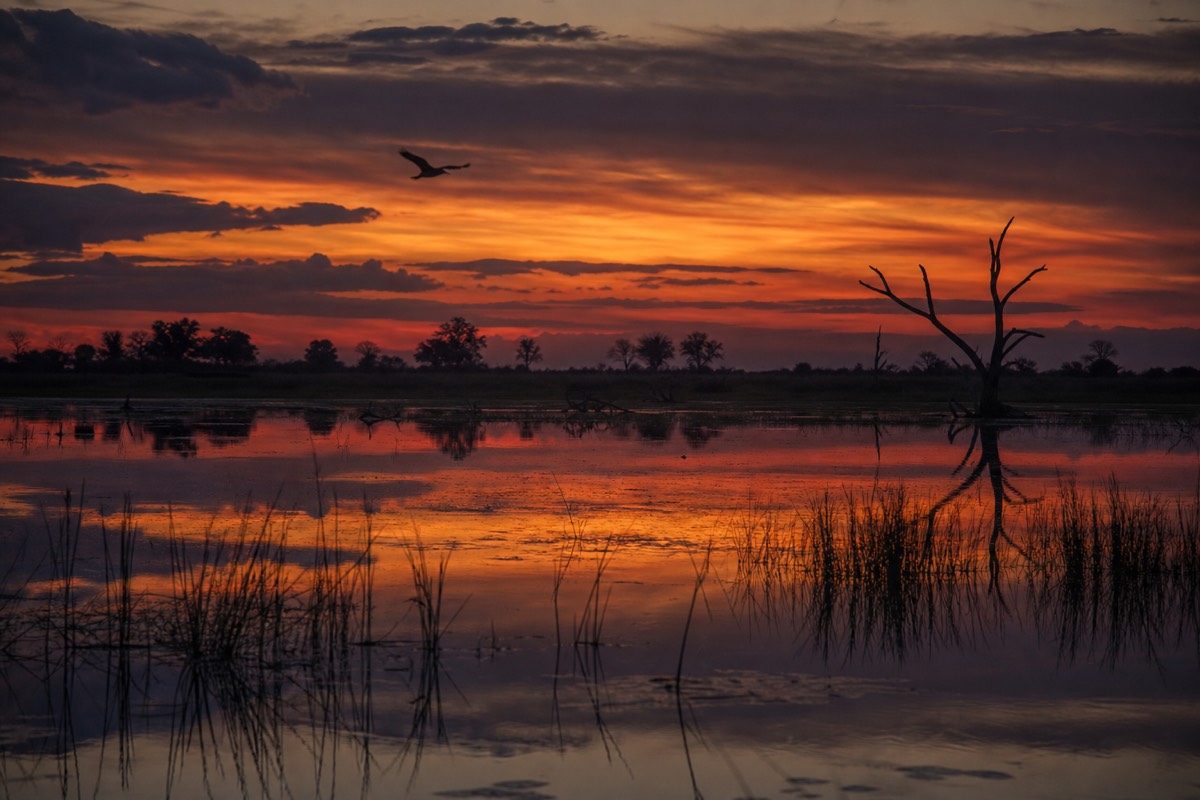
The founding story matters more than a date usually does. In 1963 the Batawana acted on hunting pressure and habitat loss in their own territory and set the land aside themselves. Most of Africa great protected areas were declared by colonial governments over the heads of the people who lived there. This one was not, and the consequence runs into the present: the land around the reserve is still tribal land, community trusts still hold concessions on it, and the community-run mokoro operations that visitors book today sit inside that same lineage.
Physically, the reserve is not one landscape. The eastern side runs to dry mopane woodland, the middle holds the lagoons and channels around Xakanaxa, and the western edge dissolves into the permanent wetland. That variety is why a Moremi itinerary can put you in an open 4x4 in the morning and in a mokoro in the afternoon, which very few reserves on the continent can do.
Why is there no Okavango Delta National Park?
Because the delta was never nationalised into one park. Moremi Game Reserve is the protected core, and the rest of the delta is a mosaic of Wildlife Management Areas and concessions, the NG blocks, held by community trusts and private operators on tribal land administered by the Tawana Land Board.
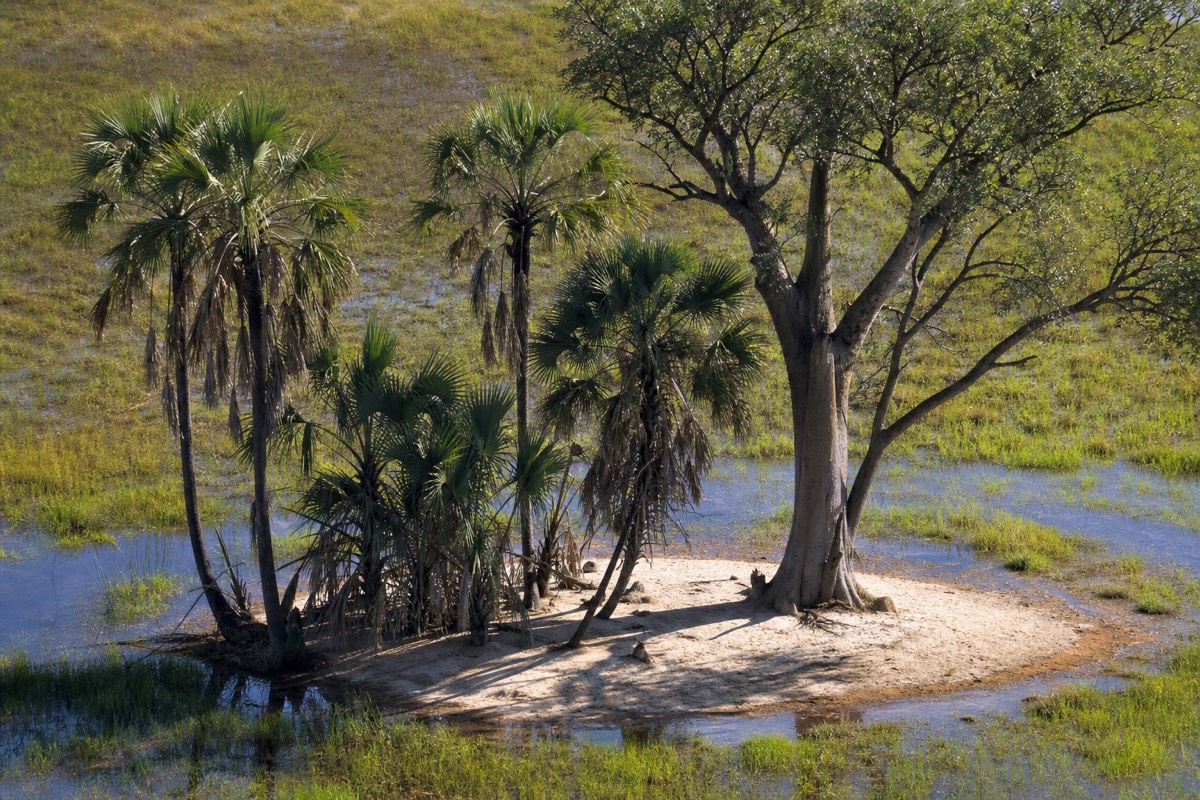
People search for an Okavango Delta National Park in real numbers and it simply does not exist. That gap causes practical confusion. There is no single gate, no single entry fee, no single set of rules for the whole delta, and no park headquarters you can call about access to a private concession. What you have instead is a reserve with public rules and a ring of concessions with their own agreements, and your experience depends on which one you booked into.
The whole delta was inscribed as a UNESCO World Heritage Site in 2014, the thousandth site added to the list, and the UNESCO World Heritage listing for the Okavango Delta covers the inscribed property rather than any one reserve. If you want the protected-area picture laid out properly, including how the NG blocks and the community trusts fit together, that is the subject of our guide to how the Okavango Delta is protected.
Which named areas will your booking mention?
Five names do most of the work: Khwai on the north-eastern edge, Xakanaxa in the lagoon country, Third Bridge as the classic crossing on the western tracks, the Mopane Tongue as the dry woodland wedge, and Mababe on the north-east approach towards Chobe. Knowing which one your camp sits near tells you more than any brochure adjective.
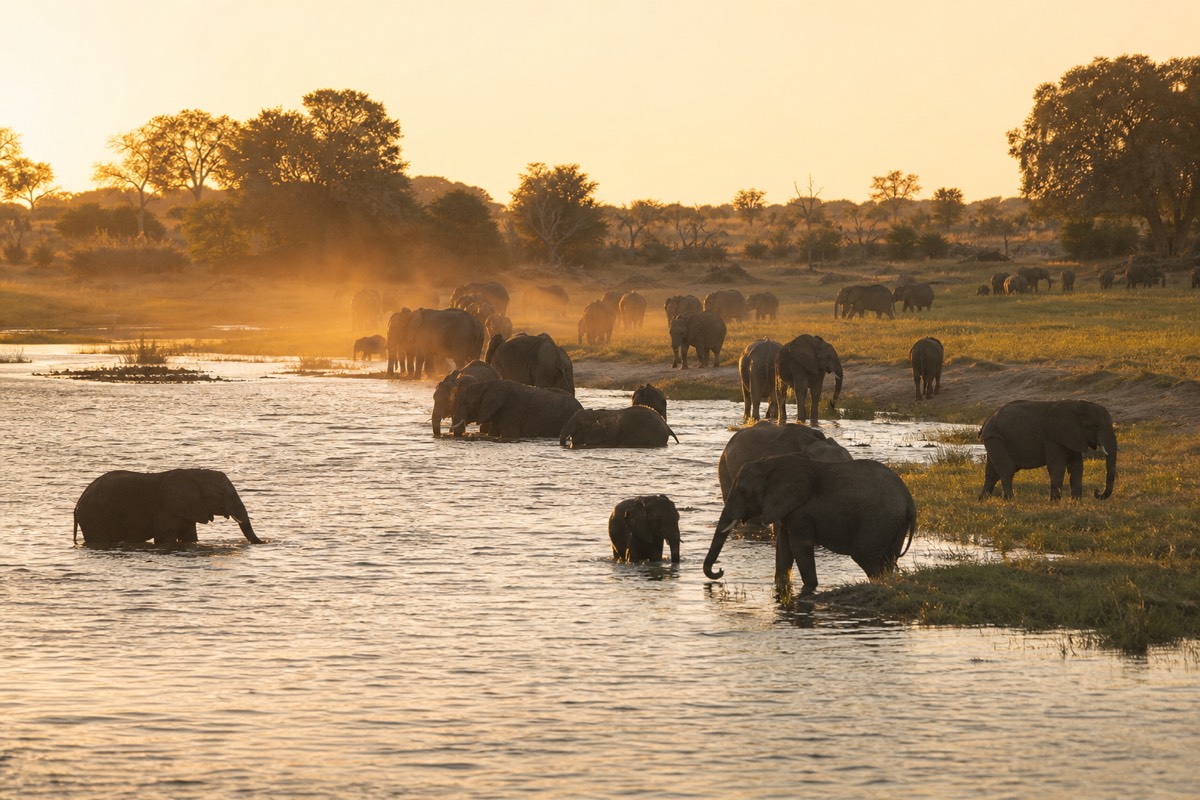
These names carry real differences in what your days look like. Khwai and its community area are where the wild dogs are most often reported, and the river there draws elephants across from the reserve side. Xakanaxa is water: lagoons, boat access, some of the best birding in the delta and a well-known public access point for mokoro. Third Bridge is dry-track territory and a landmark on the classic self-drive circuit. The Mopane Tongue drives quickly and holds fewer sightings per hour but pays off in the transitions. Mababe sits on the way north and is the natural bridge on any itinerary heading towards Chobe.
| Area | Character | Leads with | Notes |
|---|---|---|---|
| Khwai | River edge and community area on the north-eastern boundary | Game drives, elephants at the river, wild dog reports | Community-held ground adjacent to the reserve; night drives possible outside reserve boundaries |
| Xakanaxa | Lagoon and channel country in the reserve heart | Boat and mokoro, heronries and birding | A named public mokoro access point, reachable by a long sandy drive from Maun |
| Third Bridge | Classic crossing on the western tracks | Self-drive circuits, floodplain viewing | Landmark on the traditional overland route; crossings depend on water level |
| Mopane Tongue | Dry mopane woodland wedge on the eastern side | Driving, transitions between water systems | Fewer sightings per hour, faster tracks, good elephant movement |
| Mababe | North-eastern approach towards the Chobe system | Game drives on open ground | The natural staging area on itineraries heading north |
| Adjacent private concessions | Blocks around the reserve on tribal land | Off-road, night drives, walking safaris | Access comes with a camp booking, not a park permit |
Characterisations here are the pattern guides describe rather than fixed attributes; water level in your month changes all of them.
What wildlife does Moremi actually hold?
African wild dogs patrol large territories through Moremi and Khwai and are the rarest and most sought-after sighting in the delta. Elephants move between islands in herds of 50 or more. Lions hunt the floodplain edges at dusk. Leopards are present and more often heard at night than seen by day. Hippos hold the channels the mokoro uses.
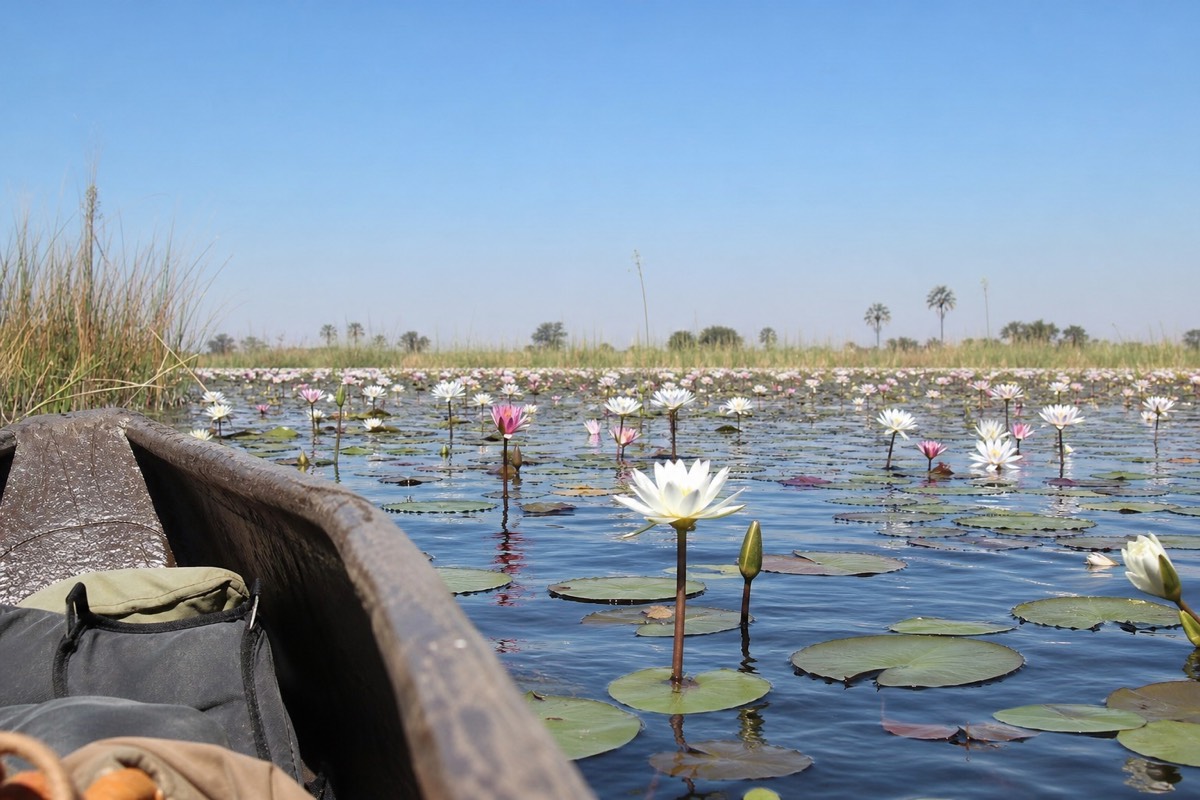
The wild dogs are worth being honest about, because they are the reason a lot of people choose Moremi. They are one of Africa most endangered mammals, they range across enormous territories, and they can be entirely absent from a concession for days at a time. A guide who tells you they can guarantee wild dogs is telling you something else about themselves. What a good guide can do is know the pack ranges, read the previous day tracking notes, and put you in the right places at the right hours.
Leopards behave the opposite way. They are genuinely common and genuinely hard to see, which is why guides in a concession that allows night drives will find them more often than a guide restricted to daylight reserve roads. Lions are the most reliable of the big predators here, because they use the floodplain edges on a schedule that experienced guides can read from tracks, scent and behaviour.
| Species | Typical pattern | Where and when | Honest expectation |
|---|---|---|---|
| Elephant | Herds of 50 or more moving between islands | Throughout, concentrating on water in the dry season | The most consistent large-mammal experience in the reserve |
| Hippo | Resident pods holding channels and lagoons | Water everywhere, all year | Heard constantly, seen daily from boat and mokoro |
| Lion | Prides working floodplain edges, most active at dusk and dawn | Floodplain margins, dry season best | The most reliable of the big cats over several days |
| Leopard | Solitary, nocturnal, often heard rather than seen | Riverine forest and thicket; night drives help | Present in numbers, still a matter of luck by day |
| African wild dog | Packs ranging across very large territories | Moremi and Khwai, denning season concentrates them | The rarest prize; can be absent for days on end |
| Red lechwe and other antelope | Wading and grazing on floodplain | Floodplains, year round | Abundant and easy, the backdrop to everything else |
| Birds | Waterbirds, raptors, heronries | Best concentrated July to September, migrants November to March | Consistently excellent; over 500 species across the delta |
This table describes typical patterns reported by the guides and operators we work with. It is not a sightings guarantee, and no honest operator will give you one.
What are the rules inside the reserve, and how do concessions differ?
Inside Moremi you drive on tracks between gate hours, off-road driving is generally not permitted, there are no night drives, and walking safaris are restricted. Inside the adjacent private concessions all three of those are usually possible, and vehicle numbers at a sighting are capped by the concession agreement.
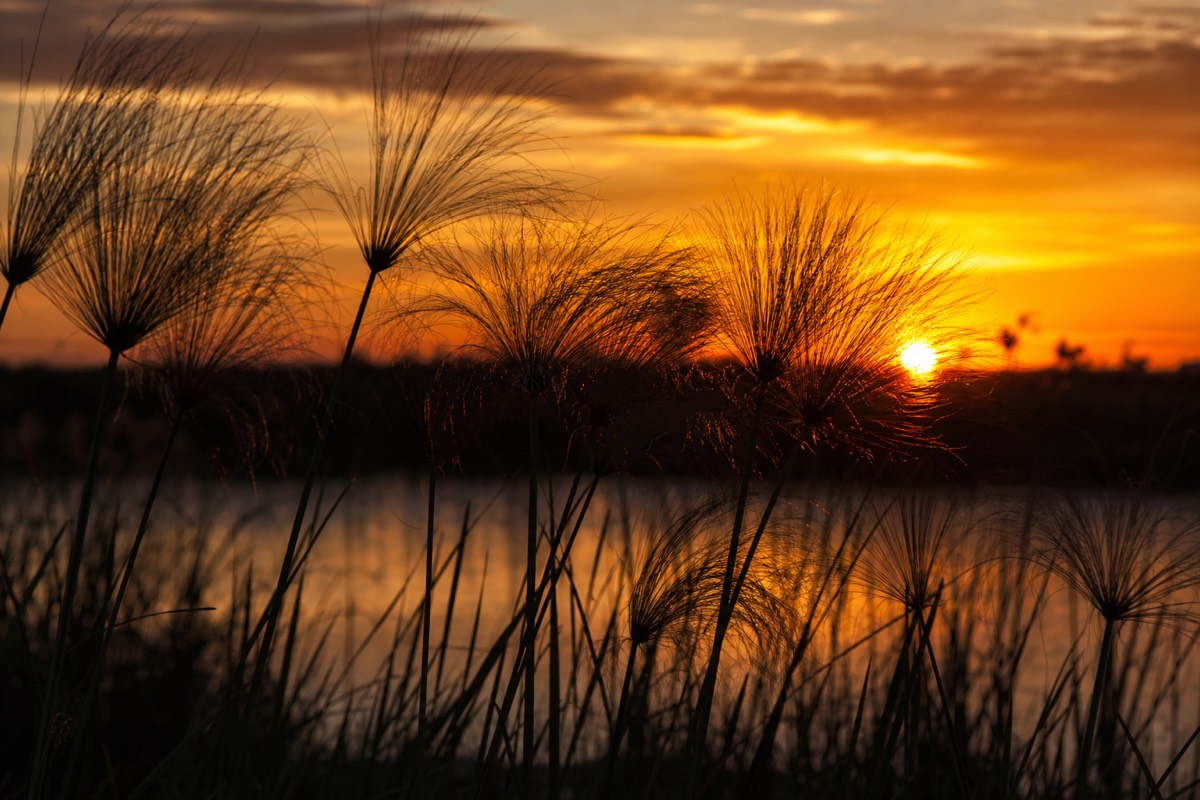
This single difference shapes your day more than any camp feature. On reserve roads, when a leopard is located at last light, everyone in radio range can come, and you also have to be back through a gate. In a concession the guide decides how long to stay because there are only a handful of vehicles on the whole block, and if the animal moves off the track the vehicle can follow.
| What you want to do | Inside Moremi Game Reserve | Inside an adjacent private concession |
|---|---|---|
| Leave the track for a sighting | Generally not permitted | Generally permitted at the guide discretion |
| Drive after dark | No, gate and road rules apply | Usually part of the standard programme |
| Walk with a guide | Restricted | Usually offered with an armed professional guide |
| Vehicles at one sighting | Open access, whatever arrives | Capped by the concession agreement |
| Self-drive and public campsites | Yes, with a high-clearance 4WD and experience | No, access comes with a camp booking |
| Cost | Lower | Higher, and the cap on numbers is what you are paying for |
Rules are set per reserve and per concession and they do change, so confirm night drives and walks with your specific camp before you build a trip around them.
Why do so many itineraries deliberately pair the reserve with a concession?
Because the two do different things well, and a week that uses both gets the reserve landscape variety plus the concession freedom. Book only the reserve and you lose night drives and walking. Book only a concession and you can miss the lagoon and woodland transitions that make Moremi worth the name.
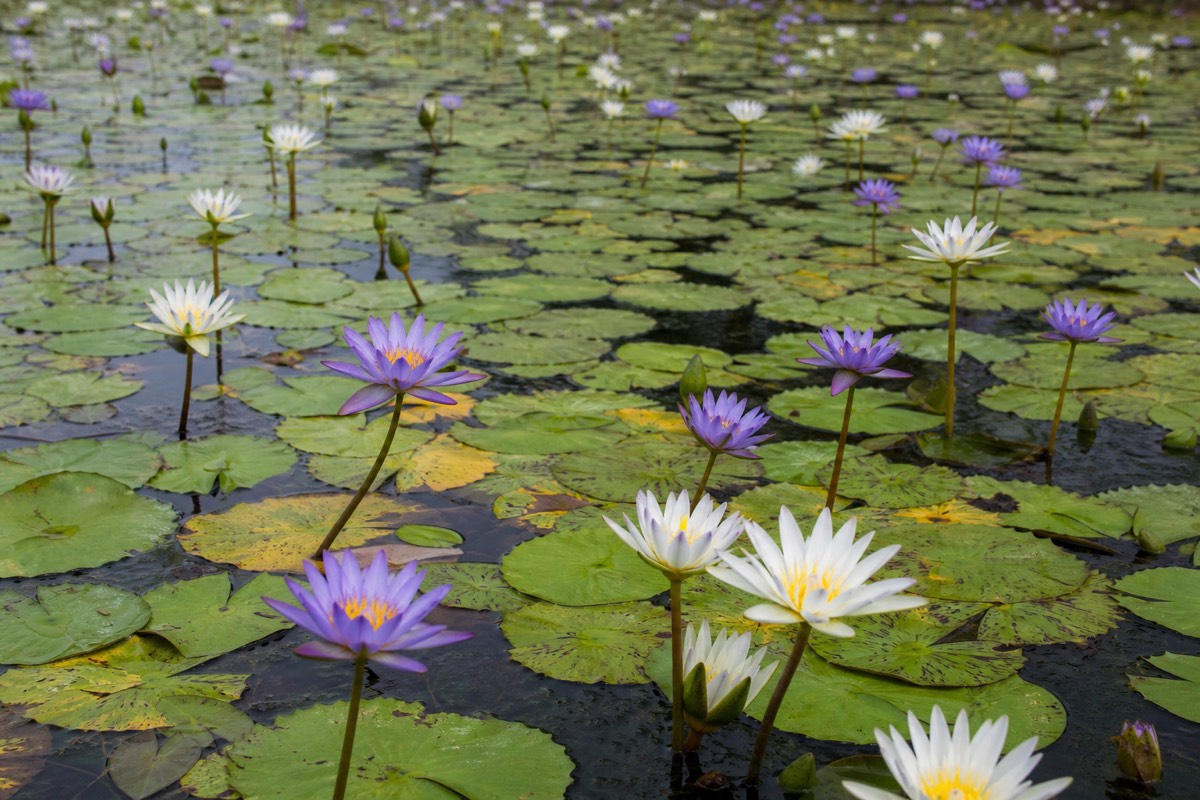
That is why an itinerary reads like a list of places rather than one address. The seven-day trip this site lists is a working example of the pattern: two nights in Moremi and Khwai, one at Mababe, one on the shore with a day visit to Elephant Havens, then two nights in the delta itself, moving by open 4x4, motorboat and mokoro. The vehicle-and-boat combination is doing something specific, which is stitching a dry system to a wet one inside a single trip.
The alternative shape is a single fixed camp in one concession, which trades the variety for depth and a lot less time in transit. Whether that suits you depends mostly on how you feel about vehicle hours, and our comparison of delta camps, lodges and mobile tented safaris works through that trade-off in detail.
When is the best time to go to Moremi?
May to October is the dry season and the strongest game viewing. The flood arrives in May and June and peaks in July and August, so the water is highest in the middle of Botswana own dry season. November to April is the green season: birding, lush grass, afternoon thunderstorms, fewer visitors and the highest malaria transmission of the year.
The counter-intuitive part is worth restating because it changes plans. The water that fills Moremi channels in July fell as rain in the Angolan highlands between November and April, and it takes months to travel roughly 1,200 kilometres down the river system. So July and August give you full channels and concentrated wildlife at the same time, which is why those months are the hardest to book and the most expensive.
| Month | Water | Game viewing | Best for |
|---|---|---|---|
| January | Low delta water, local rain | Fair, animals dispersed | Birding, green landscapes, low prices |
| February | Low, wettest local months | Fair | Breeding colonies, dramatic skies |
| March | Low, rain easing | Fair to good | Green season with fewer storms |
| April | Starting to rise | Good | Shoulder value, drying tracks |
| May | Flood arriving | Good and improving | Shoulder pricing with dry-season conditions |
| June | Rising fast | Very good | Water activities opening up, cool nights |
| July | Peak flood | Excellent | Mokoro and boat at their best, book far ahead |
| August | Peak flood | Excellent | The classic month, highest demand |
| September | Receding | Excellent | Land game viewing at its sharpest, warmer |
| October | Low and falling | Excellent but hot | Concentrated wildlife, the hottest month |
| November | Low, first rains | Good | Migrant birds arriving, prices dropping |
| December | Low, rain building | Fair to good | Green scenery, quiet camps |
Water timing is the usual annual pattern and not a forecast; the flood arrives earlier or later by several weeks from year to year. Our month-by-month treatment of when to visit the Okavango Delta goes deeper into the trade-offs, and malaria transmission peaks in these same rainy months, which is a conversation for a travel clinic before you book.
How do you actually get into Moremi?
Two realistic ways. Fly a light aircraft from Maun to an airstrip in or beside the reserve, 20 to 45 minutes and roughly USD 200 to 600 per person one way, usually bundled into a camp package. Or drive, which means 2 to 5 hours of sand and gravel from Maun in a high-clearance 4WD with river crossings.
Almost everyone on a camp booking flies, because the charter is coordinated with camp changeover and it removes a rough half-day at each end. Almost everyone self-driving takes the sand, and they should be honest with themselves about experience: deep sand, water crossings of uncertain depth and no recovery service are a genuinely different proposition to a gravel road in a hire car.
| Route | Time | Cost | Who it suits |
|---|---|---|---|
| Charter flight from Maun | 20 to 45 minutes | USD 200 to 600 per person one way, often in the package | Anyone on a fly-in camp booking |
| Guided road and water transfer | 2 to 6 hours total | Usually included; standalone about USD 150 to 400 per person round trip | Mid-range camps and travellers who want to see the ground |
| Self-drive to public access points | 2 to 5 hours driving from Maun | Fuel, park charges, plus about USD 50 to 100 per day for mokoro and poler | Experienced 4WD drivers with time |
| Overland tour vehicle | Half a day per leg | Included in the trip price | Multi-area itineraries crossing Moremi, Khwai and Mababe |
Times and costs are planning allowances that move with season, water level and fuel. The three routes are compared in more detail in our piece on getting into the delta from Maun, and the town itself is covered in our guide to Maun as the delta staging post.
What about park fees and permits?
The multi-day trips this site lists include park fees, along with accommodation, meals, transfers and guiding. If you are driving yourself, the current fee schedule is genuinely ambiguous in public sources, so get the figure from the Department of Wildlife and National Parks rather than from any travel site, including this one.
We will not print a number here, and the reason is specific. A government news item has referenced a proposed increase for non-residents, while a separate departmental release indicated no new fees had been implemented, which leaves the current figure unclear enough that quoting it would be guessing. Guessing about money someone will be asked for at a gate is not a service. The Government of Botswana portal is the route to the wildlife department and the authoritative schedule.
For anyone on a booked trip this is a non-issue, which is part of what the price buys. If you want the whole cost picture rather than just the gate, our breakdown of what an Okavango Delta safari costs separates what is bundled from what is not.
What does a real Moremi itinerary look like?
Four days gets you one system properly, usually a single concession with both water and land activity worked from one camp. Seven days gets you the reserve itself, the Khwai community area, the transition north to Mababe and the inner delta, which is the version people describe as complete. Both work. They answer different questions.
The seven-day trip on this site allocates its six nights as two in Moremi and Khwai, one at Mababe, one on the shore with a day trip to Elephant Havens, and two in the delta proper, travelling by open 4x4, motorboat and mokoro. The four-day option is a different shape: three nights in private concession camps with unlimited water access by mokoro or motorboat, which trades breadth for depth and a lot less time in a vehicle.
| Day | Four-day concession version | Seven-day Moremi and delta version |
|---|---|---|
| 1 | Transfer from Maun, afternoon activity, settle into camp | Maun to Moremi and Khwai, afternoon game drive |
| 2 | Morning drive, midday rest, afternoon mokoro or boat | Full day in Moremi and Khwai, drives and tracking |
| 3 | Water morning, walking or drive in the afternoon | North to Mababe, game drive on open ground |
| 4 | Final morning activity, transfer back to Maun | Shore camp, day visit to Elephant Havens |
| 5 | Not applicable | Into the Okavango Delta itself, boat transfer |
| 6 | Not applicable | Inner delta, dawn mokoro and channel boat cruise |
| 7 | Not applicable | Morning activity, then return to Maun |
The seven-day column follows the night allocation published on the listing; the day split and the four-day column are the shapes we plan around rather than a published hour-by-hour schedule. If those two look right, they are the four-day private concession safari and the seven-day circuit linked at the top of this guide.
Where should you sleep in and around Moremi?
Three broad options: a permanent camp or lodge inside a private concession bordering the reserve, a mobile tented safari that moves through the reserve and the community areas, or a community bush camp on a delta island reached by mokoro. Each puts you a different distance from the reserve rules.
A concession camp is the most common choice for a first trip and the reason is the rules table above: you get the reserve landscape on your drives plus night drives and walking on the concession side. A mobile safari is the choice when the point is covering ground, and it is how a Khwai, Mababe and inner-delta itinerary gets built without four separate charter legs. The community island option is different in kind rather than in grade: two nights of tents, catering over fire, dawn mokoro and afternoon walks, run with the Okavango Mokoro Community Trust and its polers, and it is the format closest to how this delta was actually travelled.
That last one is also the one we most often have to defend against the assumption that cheap means lesser. It is not the luxury option and it is not trying to be. The two-night mokoro wild camping safari puts you on the water at dawn with a poler who grew up reading these channels, from $850 per person, with the current price on the live listing.
Who should skip Moremi, and go where instead?
Skip it if you have two days total, if massed elephants on a single river in a short trip is the whole goal, if you want desert rather than wetland, or if you cannot cope with 4x4 hours on rough ground. Each of those has a better answer elsewhere in Botswana.
The two-day case is the most common and the easiest to solve. Moremi rewards nights, and a reserve visit squeezed into a day trip from Maun will feel like a long drive with animals at the end of it. A day mokoro trip or a scenic flight over the delta is a better use of a short window, and honest about what it is. Whether the whole trip earns its cost is a fair question, and we take it on directly in our answer to whether the Okavango Delta is worth it.
| If this is you | Moremi verdict | Better fit |
|---|---|---|
| Two days in Botswana total | Skip | Day mokoro from Maun, or the 45-minute scenic flight |
| Want guaranteed big elephant numbers fast | Consider alternatives | The Chobe riverfront and its boat cruises |
| Want desert, open plains and big skies | Not the right ecosystem | Central Kalahari, strongest in the green months |
| Cannot manage hours of rough driving | Choose carefully | A water camp or lodge with boat-based activity |
| Travelling with children under eight | Possible with planning | A fixed lodge base with mokoro sessions rather than walking-heavy days |
| Set on the mokoro above all else | Partly right | Water concessions and the community island camp |
These are the recommendations we make on enquiries rather than rules, and the honest version of the Chobe question is set out in our comparison of Chobe National Park against the Okavango Delta.
What we tell people planning a first Moremi trip
Give it at least three nights, book a camp that lets you use both the reserve and a concession, travel between May and October if the wildlife is the priority, and accept that the wild dogs are a bonus rather than a plan.
The reserve rewards patience in a way that is hard to sell and easy to feel once you are there. A morning that produces no cats produces instead a herd of fifty elephants crossing a channel, a fish eagle taking a bream off the surface, tracks in the sand that your guide reads back into the previous night. People who arrive with a checklist tend to be disappointed by the reserve and delighted by it in retrospect. People who arrive willing to watch tend to be delighted at the time.
On logistics, the practical value of booking ahead here is access rather than price. The trips we list bundle the transfer, the guiding, the park fees and the camp, and in July, August and September the concession space and the capped community mokoro dates are allocated months in advance, which means a late booking usually lands on the accessible outer floodplain instead of the inner channels. For background on the reserve itself, the general reference entry for Moremi Game Reserve is a reasonable starting point. Then pick your nights, and let the guides do the rest.