Is the Okavango Delta Worth It?
The delta is worth it for some travellers and a poor use of money for others. Here is where the line falls, and what moves you across it.
The water experience and overnight setting determine the value. Compare a canoe day, island camping and a Moremi vehicle day against what you most want to see. Explore Two Nights Of NG32 Mokoro Camping
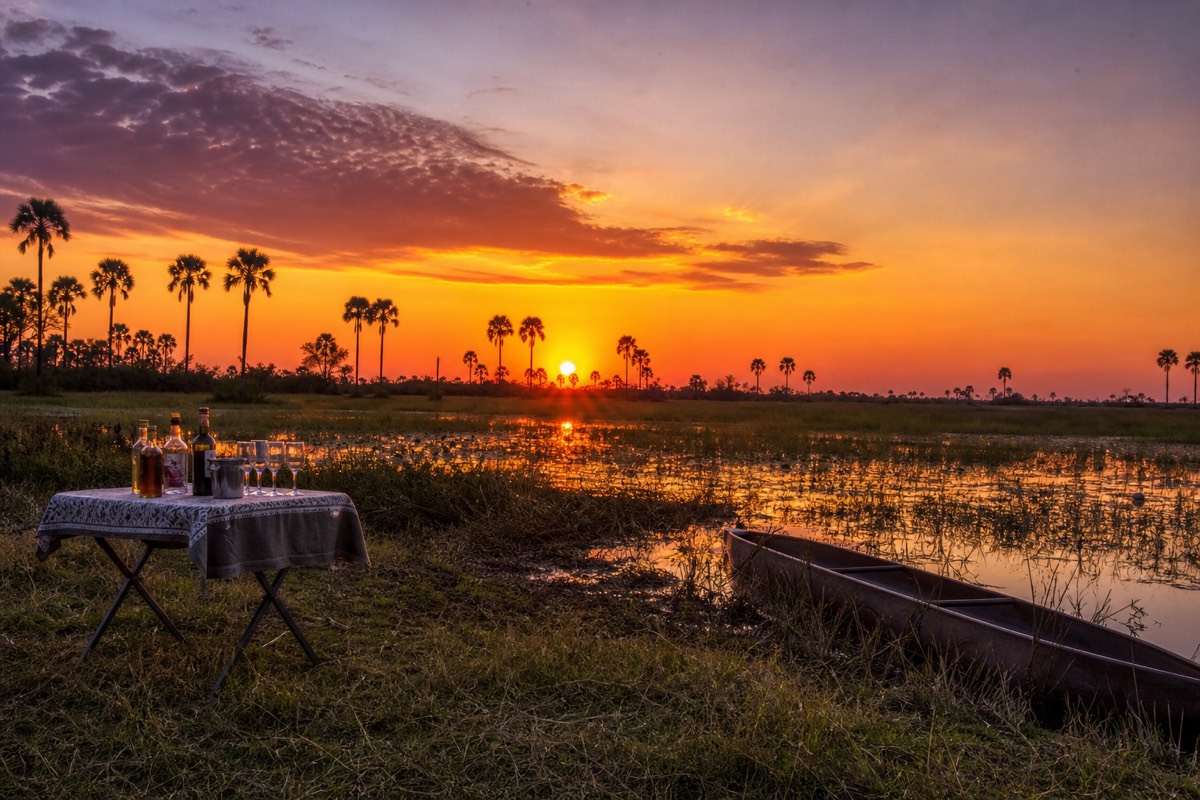
Verdict first. If you can give the Okavango at least three nights, and you care more about how close wildlife gets than how many species you tick off, it is worth what it costs. If you are squeezing two nights into a multi-country itinerary, or your main goal is a Big Five checklist, it usually is not. That is the split the team at Okavango Delta Botswana Tours works with on real enquiries, and everything below explains where the line sits and what moves you across it.
What does the Okavango Delta give you that other safari destinations do not?
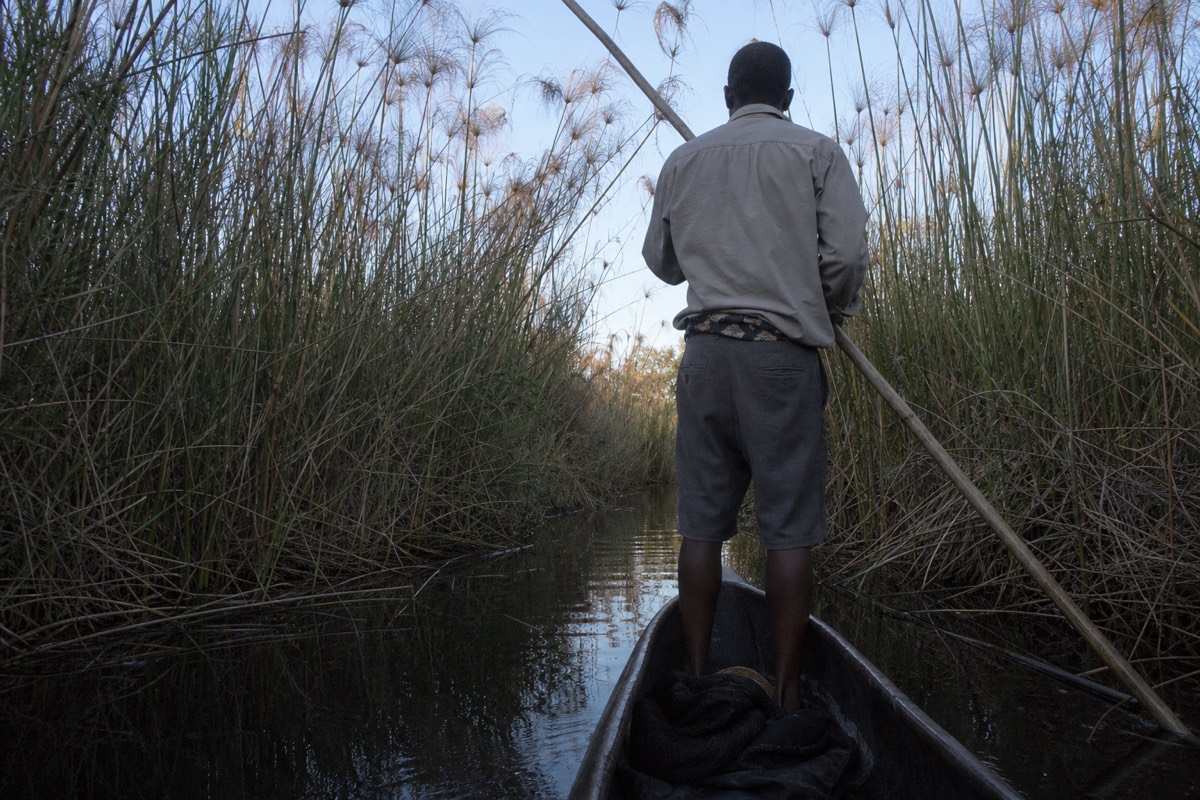
Three things. The mokoro, a dugout canoe poled through channels often narrower than the boat is long, with your eyes inches above the water. Concessions where vehicle numbers are capped by agreement rather than open park access. And the silence of a place with no roads and no engines in it.
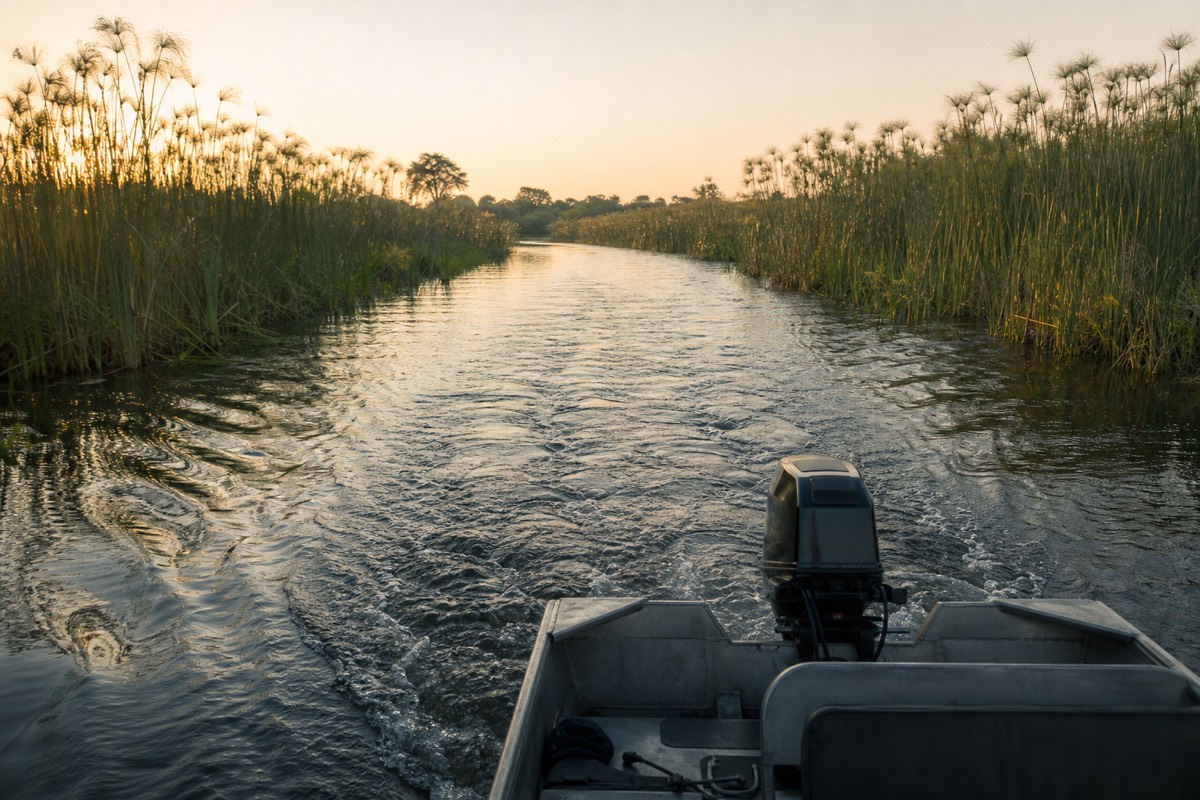
The waterline perspective is the part people underestimate before they arrive. Sitting that low, red lechwe wade past at eye level, hippos announce themselves from further up the channel, and elephants crossing between islands are close enough that you hear the water move. Because there is no engine, nothing flees. Clients who have been on safari across three continents tell us, again and again, that the mokoro afternoon is the experience they would most want to repeat. If the boat itself is new to you, start with how a mokoro trip actually works.
Scale explains the rest. The entire UNESCO-listed delta holds roughly 1,000 to 1,500 beds. On a three-hour drive you may see one other vehicle, or none, and when a sighting is good the vehicle simply stays.
Who is the Okavango Delta not worth it for?
Travellers chasing maximum animals per dollar. Anyone whose budget forces the trip down to two nights. First-time safari-goers who mainly want the Big Five ticked. People who cannot get into and out of a low dugout canoe. And anyone trying to fit the delta into a four-day multi-country dash.
| Traveller | Verdict | Why |
|---|---|---|
| Repeat safari-goers and wildlife photographers | Worth it | Waterline angles and long, uninterrupted sightings that capped vehicle numbers make possible |
| Anyone who wants water and land in one trip | Worth it | Mokoro, motorboat, open 4x4 drives and walking safaris all run from the same camp |
| Travellers with three to five nights and a real budget | Worth it | Enough dawns for the place to do what it does |
| First safari, Big Five checklist is the priority | Usually not | Chobe or an East African itinerary delivers more species per day for less |
| Budget that caps the trip at two nights | Usually not | Travel eats both ends; a day trip from Maun is the honest version instead |
| Limited mobility, cannot board a mokoro | Think hard | Camps adapt game drives readily, but the canoe is the reason to come |
| Four-day multi-country schedule | No | Combining the delta with Chobe or Victoria Falls in four days produces a travel schedule, not a safari |
That is planning guidance drawn from what we see on real enquiries, not a rule about who is allowed to come.
How many nights does it take to be worth it?
One day from Maun gives a brief and often rushed impression. Three nights is where the delta starts to deliver the depth it is famous for. Five nights, especially split between two camps in different parts of the delta, is the version most visitors say exceeded every expectation they brought with them.
| Length of stay | What you actually get | Verdict |
|---|---|---|
| Day trip from Maun | A few hours on the water plus two to four hours of road, channels, hippos, birdlife, elephants drinking | A real taste, not the delta |
| Two nights | One full day sandwiched between two travel days | The compromise people most often regret |
| Three nights | Two game drives a day, a mokoro afternoon, a walking safari, a night of camp sounds | Good working minimum |
| Five nights, two camps | Two different parts of the delta, a weather buffer, dawns that start to feel familiar | The version that exceeds expectations |
| Six to seven nights | Moremi and Khwai plus the inner delta, mokoro, motorboat and 4x4 in one itinerary | Complete |
Nights, not days, are the unit that matters, because activities happen at dawn and dusk. We go through the trade-offs in detail in how many days the Okavango Delta really needs.
Is it worth it if you want the Big Five?
Not usually. The delta produces exceptional sightings, but its signature animals are the water-adapted ones, and the rarest prizes here, wild dogs and leopards, can go unseen for days. If a completed checklist is your measure of a good safari, another destination will get you there faster and for less money, which is the heart of the Botswana against northern Tanzania decision.
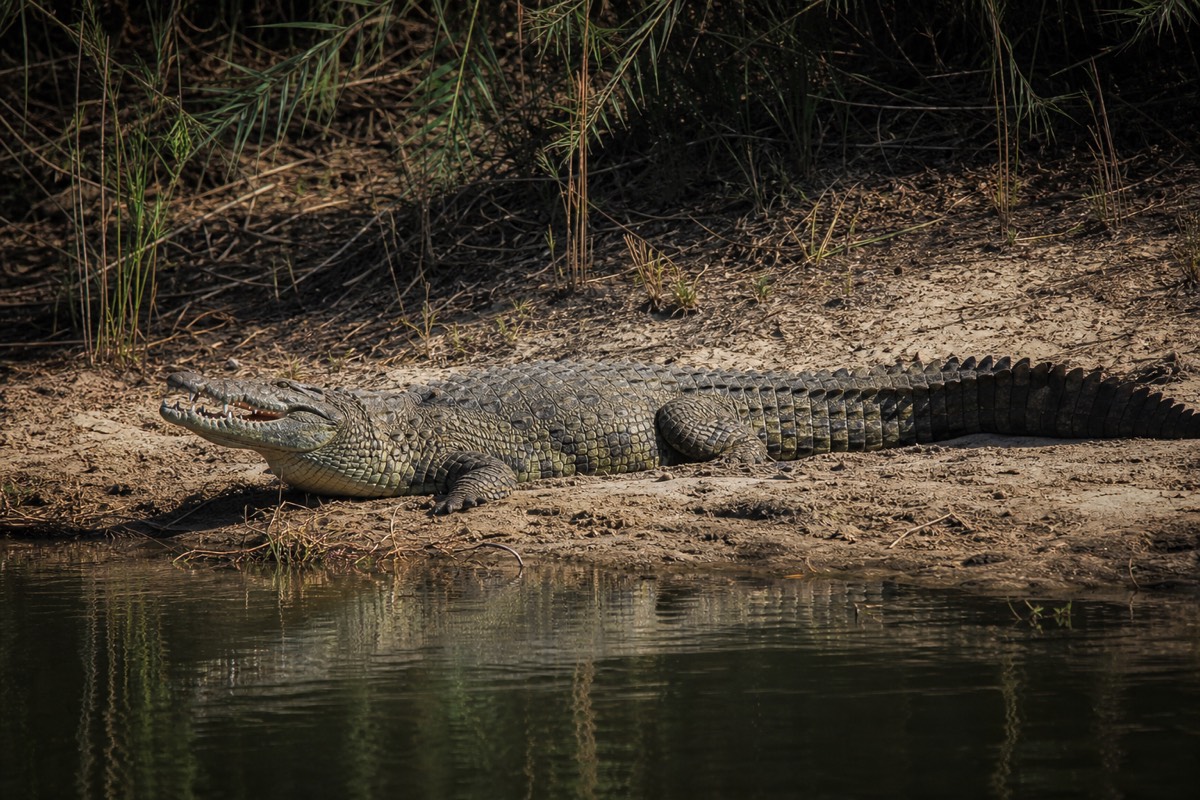
African wild dogs patrol enormous territories through Moremi and Khwai and are the most sought-after sighting in the delta, which also means they are the one nobody can promise. Leopards are present and more often heard at night than seen by day. What the delta trades that uncertainty for is proximity and time: hours with one lion pride instead of ten minutes with three. If species count is the point, Chobe National Park covers 11,700 square kilometres with an elephant population commonly estimated around 50,000 and boat cruises along its riverfront, and our comparison of Chobe and the delta sets the two side by side. A Kruger or Tanzania itinerary makes the same argument.
Does the cost actually work out?
The delta is cheaper than its reputation at the bottom of the range and genuinely expensive at the top. A full day on the water from Maun starts at $181 per person, three days with two nights camping on a delta island starts at $850, and four days in private concession camps starts at $1,270.
That spread matters to the worth-it question, because the version of the delta most people have heard about is the fly-in lodge at the top. The community-run option is a different product at a different price and the same water: two nights camping with community polers buys dawn mokoro sessions and afternoon bush walks without a lodge budget. The reason the top end costs what it does is structural rather than greedy, and we set that out in full in why the delta costs what it does.
What makes a delta trip not worth it?
Four things, all decided before you fly. Coming in the wrong season for the activity you care about. Booking the road-accessible outer floodplain when you pictured the inner delta. Arriving with too few nights. And expecting wild dogs and leopards on demand.
Season first: the flood peaks in July and August, so June to August is when the channels are fullest and the mokoro is at its best, while the green season from November to April is lush, quiet and better for birding than for water travel. Location second, and it is the one people get wrong most often. The inner delta, reached by light aircraft or by mokoro through several channels, holds the highest dry-season wildlife concentrations, while the road-accessible outer areas are less pristine and less reliable for predators. Which one you get is determined almost entirely by how far ahead you book, which is why seven days across Moremi and the inner delta is a fundamentally different trip from a day at the edge.
The practical version of all this: peak-season camps are allocated months ahead, and the community mokoro camps run limited daily capacity to protect the ecosystem rather than to create scarcity. The trips we list bundle the transfers, park fees, meals and guiding, which is the part that becomes hard to assemble late in the season.